Tag: pandas

  • วิธีใช้ 9 arguments ใน read_csv() จาก pandas library เพื่อโหลดข้อมูลใน Python — ตัวอย่างการโหลดข้อมูลการแข่งขันฟุตบอล

    วิธีใช้ 9 arguments ใน read_csv() จาก pandas library เพื่อโหลดข้อมูลใน Python — ตัวอย่างการโหลดข้อมูลการแข่งขันฟุตบอล

    pandas เป็น Python library สำหรับทำงานกับข้อมูลในรูปแบบตาราง (tabular data) และมี functions หลากหลายสำหรับโหลดข้อมูลเข้ามาใน Python

    โดยหนึ่งใน functions ที่นิยมใช้กันมากที่สุด ได้แก่ read_csv() ซึ่งใช้โหลดข้อมูล CSV (Comma-Separated Values) และมี arguments หลัก 9 อย่าง ได้แก่:

    1. filepath_or_buffer: file path, ชื่อไฟล์, หรือ URL ของไฟล์ที่ต้องการโหลด
    2. sep: กำหนด delimiter
    3. header: กำหนด row ที่เป็นหัวตาราง
    4. skiprows: กำหนด rows ที่ไม่ต้องการโหลด
    5. nrows: เลือกจำนวน rows ที่ต้องการโหลด
    6. usecols: กำหนด columns ที่ต้องการโหลด
    7. index_col: กำหนด column ที่จะเป็น index
    8. names: กำหนดชื่อของ columns
    9. dtype: กำหนดประเภทข้อมูล (data types) ของ columns

    ในบทความนี้ เราจะมาดูวิธีใช้ทั้ง 9 arguments ของ read_csv() เพื่อโหลดตัวอย่างข้อมูลการแข่งขันฟุตบอลในอังกฤษกัน

    ถ้าพร้อมแล้ว ไปเริ่มกันเลย


    1. 🏁 Getting Started
    2. 🗃️ Argument #1. filepath_or_buffer
    3. 🤺 Argument #2. sep
    4. 😶‍🌫️ Argument #3. header
    5. 🛑 Argument #4. skiprows
    6. 📋 Argument #5. nrows
    7. ☑️ Argument #6. usecols
    8. 🔢 Argument #7. index_col
    9. 🔠 Argument #8. names
    10. ⏹️ Argument #9. dtype
    11. ⚡ Summary
    12. 😺 GitHub
    13. 📃 References

    🏁 Getting Started

    ก่อนเริ่มใช้งาน read_csv() เราต้องติดตั้งและโหลด pandas ก่อน:

    # Install pandas
    !pip install pandas
    
    # Import pandas
    import pandas as pd
    

    Note: ในกรณีที่เราเคยติดตั้ง pandas แล้วให้ใช้คำสั่ง import อย่างเดียว


    🗃️ Argument #1. filepath_or_buffer

    filepath_or_buffer เป็น argument หลักที่เราจะต้องกำหนดทุกครั้งที่เรียกใช้ read_csv()

    ยกตัวอย่างเช่น เรามีข้อมูลการแข่งขันฟุตบอล (matches_clean.csv):

    MatchID,HomeTeam,AwayTeam,HomeGoals,AwayGoals,MatchDate
    M001,Manchester United,Chelsea,2,1,2024-08-14
    M002,Liverpool,Arsenal,1,1,2024-08-20
    M003,Tottenham,Everton,3,0,2024-09-02
    M004,Man City,Aston Villa,4,2,2024-09-15
    M005,Newcastle,West Ham,0,0,2024-09-22
    M006,Brighton,Leeds,2,3,2024-09-29
    

    เราสามารถใช้ read_csv() ได้แบบนี้:

    # Load the dataset
    df1 = pd.read_csv("matches_clean.csv")
    
    # View the result
    print(df1)
    

    ผลลัพธ์:

      MatchID           HomeTeam     AwayTeam  HomeGoals  AwayGoals   MatchDate
    0    M001  Manchester United      Chelsea          2          1  2024-08-14
    1    M002          Liverpool      Arsenal          1          1  2024-08-20
    2    M003          Tottenham      Everton          3          0  2024-09-02
    3    M004           Man City  Aston Villa          4          2  2024-09-15
    4    M005          Newcastle     West Ham          0          0  2024-09-22
    5    M006           Brighton        Leeds          2          3  2024-09-29
    

    🤺 Argument #2. sep

    sep ใช้กำหนด delimiter หรือเครื่องหมายในการแบ่ง columns โดย default ของ sep คือ "," ทำให้ปกติ เราไม่ต้องกำหนด sep เมื่อไฟล์เป็น CSV

    เราจะใช้ sep เมื่อข้อมูลมี delimiter อื่น เช่น ";" (matches_semicolon.txt):

    MatchID;HomeTeam;AwayTeam;HomeGoals;AwayGoals;MatchDate
    M001;Manchester United;Chelsea;2;1;2024-08-14
    M002;Liverpool;Arsenal;1;1;2024-08-20
    M003;Tottenham;Everton;3;0;2024-09-02
    M004;Man City;Aston Villa;4;2;2024-09-15
    M005;Newcastle;West Ham;0;0;2024-09-22
    M006;Brighton;Leeds;2;3;2024-09-29
    

    เราสามารถใช้ sep ได้แบบนี้:

    # Load the dataset with ";" as delim
    df2 = pd.read_csv("matches_semicolon.csv", sep=";")
    
    # View the result
    print(df2)
    

    ผลลัพธ์:

      MatchID           HomeTeam     AwayTeam  HomeGoals  AwayGoals   MatchDate
    0    M001  Manchester United      Chelsea          2          1  2024-08-14
    1    M002          Liverpool      Arsenal          1          1  2024-08-20
    2    M003          Tottenham      Everton          3          0  2024-09-02
    3    M004           Man City  Aston Villa          4          2  2024-09-15
    4    M005          Newcastle     West Ham          0          0  2024-09-22
    5    M006           Brighton        Leeds          2          3  2024-09-29
    

    😶‍🌫️ Argument #3. header

    header ใช้กำหนด row ที่จะเป็นหัวตาราง

    เราจะใช้ header เมื่อ rows แรกของข้อมูลมีข้อมูลอื่น เช่น metadata (matches_with_metadata.txt):

    # UK Football Matches Data
    # Created for practice with pd.read_csv()
    MatchID,HomeTeam,AwayTeam,HomeGoals,AwayGoals,MatchDate
    M001,Manchester United,Chelsea,2,1,2024-08-14
    M002,Liverpool,Arsenal,1,1,2024-08-20
    M003,Tottenham,Everton,3,0,2024-09-02
    M004,Man City,Aston Villa,4,2,2024-09-15
    M005,Newcastle,West Ham,0,0,2024-09-22
    M006,Brighton,Leeds,2,3,2024-09-29
    

    เราสามารถใช้ header ได้แบบนี้:

    # Load the dataset where the header is the 3rd row
    df3 = pd.read_csv("matches_with_metadata.txt", header=2)
    
    # View the result
    print(df3)
    

    ผลลัพธ์:

      MatchID           HomeTeam     AwayTeam  HomeGoals  AwayGoals   MatchDate
    0    M001  Manchester United      Chelsea          2          1  2024-08-14
    1    M002          Liverpool      Arsenal          1          1  2024-08-20
    2    M003          Tottenham      Everton          3          0  2024-09-02
    3    M004           Man City  Aston Villa          4          2  2024-09-15
    4    M005          Newcastle     West Ham          0          0  2024-09-22
    5    M006           Brighton        Leeds          2          3  2024-09-29
    

    จะสังเกตว่า metadata จะไม่ถูกโหลดเข้ามาด้วย

    Note: เราสามารถกำหนด header=None ในกรณีที่ข้อมูลไม่มีหัวตาราง เช่น matches_no_header.csv:

    M001,Manchester United,Chelsea,2,1,2024-08-14
    M002,Liverpool,Arsenal,1,1,2024-08-20
    M003,Tottenham,Everton,3,0,2024-09-02
    M004,Man City,Aston Villa,4,2,2024-09-15
    M005,Newcastle,West Ham,0,0,2024-09-22
    M006,Brighton,Leeds,2,3,2024-09-29
    

    🛑 Argument #4. skiprows

    skiprows ใช้เลือก rows ที่เราไม่ต้องการโหลดเข้ามาใน Python ซึ่งเราสามารถกำหนดได้ 2 แบบ:

    1. กำหนดเป็น int (เช่น 2) ในกรณีที่ต้องการข้าม row เดียว
    2. กำหนดเป็น list (เช่น [0, 1, 2]) ในกรณีที่ต้องการข้ามมากกว่า 1 rows

    ยกตัวอย่างเช่น เราต้องการข้าม 2 บรรทัดแรกซึ่งเป็น metadata:

    # UK Football Matches Data
    # Created for practice with pd.read_csv()
    MatchID,HomeTeam,AwayTeam,HomeGoals,AwayGoals,MatchDate
    M001,Manchester United,Chelsea,2,1,2024-08-14
    M002,Liverpool,Arsenal,1,1,2024-08-20
    M003,Tottenham,Everton,3,0,2024-09-02
    M004,Man City,Aston Villa,4,2,2024-09-15
    M005,Newcastle,West Ham,0,0,2024-09-22
    M006,Brighton,Leeds,2,3,2024-09-29
    

    เราสามารถใช้ skiprows ได้แบบนี้:

    # Load the dataset, skipping the metadata
    df4 = pd.read_csv("matches_with_metadata.txt", skiprows=[0, 1])
    
    # View the result
    print(df4)
    

    ผลลัพธ์:

      MatchID           HomeTeam     AwayTeam  HomeGoals  AwayGoals   MatchDate
    0    M001  Manchester United      Chelsea          2          1  2024-08-14
    1    M002          Liverpool      Arsenal          1          1  2024-08-20
    2    M003          Tottenham      Everton          3          0  2024-09-02
    3    M004           Man City  Aston Villa          4          2  2024-09-15
    4    M005          Newcastle     West Ham          0          0  2024-09-22
    5    M006           Brighton        Leeds          2          3  2024-09-29
    

    📋 Argument #5. nrows

    nrows ใช้เลือก rows ที่เราต้องการโหลดเข้ามาใน Python

    เช่น แทนที่จะโหลดข้อมูลทั้งหมด:

    MatchID,HomeTeam,AwayTeam,HomeGoals,AwayGoals,MatchDate
    M001,Manchester United,Chelsea,2,1,2024-08-14
    M002,Liverpool,Arsenal,1,1,2024-08-20
    M003,Tottenham,Everton,3,0,2024-09-02
    M004,Man City,Aston Villa,4,2,2024-09-15
    M005,Newcastle,West Ham,0,0,2024-09-22
    M006,Brighton,Leeds,2,3,2024-09-29
    

    เราจะโหลดข้อมูล 3 rows แรกด้วย nrows แบบนี้:

    # Load the first 3 rows
    df5 = pd.read_csv("matches_clean.csv", nrows=3)
    
    # View the result
    print(df5)
    

    ผลลัพธ์:

      MatchID           HomeTeam AwayTeam  HomeGoals  AwayGoals   MatchDate
    0    M001  Manchester United  Chelsea          2          1  2024-08-14
    1    M002          Liverpool  Arsenal          1          1  2024-08-20
    2    M003          Tottenham  Everton          3          0  2024-09-02
    

    ☑️ Argument #6. usecols

    usecols ใช้กำหนด columns ที่เราต้องการโหลดเข้ามาใน Python

    ยกตัวอย่างเช่น เลือกเฉพาะ HomeTeam และ HomeGoals จาก:

    MatchID,HomeTeam,AwayTeam,HomeGoals,AwayGoals,MatchDate
    M001,Manchester United,Chelsea,2,1,2024-08-14
    M002,Liverpool,Arsenal,1,1,2024-08-20
    M003,Tottenham,Everton,3,0,2024-09-02
    M004,Man City,Aston Villa,4,2,2024-09-15
    M005,Newcastle,West Ham,0,0,2024-09-22
    M006,Brighton,Leeds,2,3,2024-09-29
    

    เราสามารถใช้ usecols ได้แบบนี้:

    # Load only HomeTeam and HomeGoals
    df6 = pd.read_csv("matches_clean.csv", usecols=["HomeTeam", "HomeGoals"])
    
    # View the result
    print(df6)
    

    ผลลัพธ์:

                HomeTeam  HomeGoals
    0  Manchester United          2
    1          Liverpool          1
    2          Tottenham          3
    3           Man City          4
    4          Newcastle          0
    5           Brighton          2
    

    🔢 Argument #7. index_col

    index_col ใช้กำหนด column ที่เป็น index ของข้อมูล เช่น MatchID:

    MatchID,HomeTeam,AwayTeam,HomeGoals,AwayGoals,MatchDate
    M001,Manchester United,Chelsea,2,1,2024-08-14
    M002,Liverpool,Arsenal,1,1,2024-08-20
    M003,Tottenham,Everton,3,0,2024-09-02
    M004,Man City,Aston Villa,4,2,2024-09-15
    M005,Newcastle,West Ham,0,0,2024-09-22
    M006,Brighton,Leeds,2,3,2024-09-29
    

    เราจะใช้ index_col แบบนี้:

    # Load the dataset with MatchID as index col
    df7 = pd.read_csv("matches_clean.csv", index_col="MatchID")
    
    # View the result
    print(df7)
    

    ผลลัพธ์:

                      HomeTeam     AwayTeam  HomeGoals  AwayGoals   MatchDate
    MatchID
    M001     Manchester United      Chelsea          2          1  2024-08-14
    M002             Liverpool      Arsenal          1          1  2024-08-20
    M003             Tottenham      Everton          3          0  2024-09-02
    M004              Man City  Aston Villa          4          2  2024-09-15
    M005             Newcastle     West Ham          0          0  2024-09-22
    M006              Brighton        Leeds          2          3  2024-09-29
    

    🔠 Argument #8. names

    names ใช้กำหนดชื่อ columns ซึ่งเราจะใช้เมื่อ:

    • ข้อมูลไม่มีหัวตาราง
    • ต้องการเปลี่ยนชื่อ columns

    ยกตัวอย่างเช่น ใส่ชื่อ columns ให้กับ matches_no_header.csv:

    M001,Manchester United,Chelsea,2,1,2024-08-14
    M002,Liverpool,Arsenal,1,1,2024-08-20
    M003,Tottenham,Everton,3,0,2024-09-02
    M004,Man City,Aston Villa,4,2,2024-09-15
    M005,Newcastle,West Ham,0,0,2024-09-22
    M006,Brighton,Leeds,2,3,2024-09-29
    

    เราสามารถใช้ names ได้แบบนี้:

    # Set col names
    col_names = [
        "id",
        "home",
        "away",
        "home_goals",
        "away_goals",
        "date"
    ]
    
    # Load the dataset with custom col names
    df8 = pd.read_csv("matches_no_header.csv", names=col_names)
    
    # View the result
    print(df8)
    

    ผลลัพธ์:

         id               home         away  home_goals  away_goals        date
    0  M001  Manchester United      Chelsea           2           1  2024-08-14
    1  M002          Liverpool      Arsenal           1           1  2024-08-20
    2  M003          Tottenham      Everton           3           0  2024-09-02
    3  M004           Man City  Aston Villa           4           2  2024-09-15
    4  M005          Newcastle     West Ham           0           0  2024-09-22
    5  M006           Brighton        Leeds           2           3  2024-09-29
    

    ⏹️ Argument #9. dtype

    dtype ใช้กำหนดประเภทข้อมูลของ columns

    ยกตัวอย่างเช่น กำหนด ประเภทข้อมูลของ MatchID, HomeGoals, และ AwayGoals จาก matches_clean.csv:

    MatchID,HomeTeam,AwayTeam,HomeGoals,AwayGoals,MatchDate
    M001,Manchester United,Chelsea,2,1,2024-08-14
    M002,Liverpool,Arsenal,1,1,2024-08-20
    M003,Tottenham,Everton,3,0,2024-09-02
    M004,Man City,Aston Villa,4,2,2024-09-15
    M005,Newcastle,West Ham,0,0,2024-09-22
    M006,Brighton,Leeds,2,3,2024-09-29
    

    เราสามารถใช้ dtype ได้แบบนี้:

    # Set col data types
    col_dtypes = {
        "MatchID": str,
        "HomeGoals": "int32",
        "AwayGoals": "int32"
    }
    
    # Load the dataset, specifying data types for MatchID, HomeGoals, and AwayGoals
    df9 = pd.read_csv("matches_clean.csv", dtype=col_dtypes)
    
    # View the result
    df9.info()
    

    ผลลัพธ์:

    <class 'pandas.core.frame.DataFrame'>
    RangeIndex: 6 entries, 0 to 5
    Data columns (total 6 columns):
     #   Column     Non-Null Count  Dtype
    ---  ------     --------------  -----
     0   MatchID    6 non-null      object
     1   HomeTeam   6 non-null      object
     2   AwayTeam   6 non-null      object
     3   HomeGoals  6 non-null      int32
     4   AwayGoals  6 non-null      int32
     5   MatchDate  6 non-null      object
    dtypes: int32(2), object(4)
    memory usage: 372.0+ bytes
    

    ⚡ Summary

    ในบทความนี้ เราได้ไปดูวิธีการใช้ 9 arguments ของ read_csv() จาก pandas เพื่อโหลดข้อมูลใน Python กัน:

    1. filepath_or_buffer: ไฟล์ที่ต้องการโหลด
    2. sep: delimiter ในไฟล์
    3. header: row ที่เป็นหัวตาราง
    4. skiprows: rows ที่ไม่ต้องการโหลด
    5. nrows: จำนวน rows ที่ต้องการโหลด
    6. usecols: columns ที่ต้องการโหลด
    7. index_col: column ที่จะเป็น index
    8. names: ชื่อของ columns
    9. dtype: ประเภทข้อมูล (data types) ของ columns

    😺 GitHub

    ดูตัวอย่าง code และ datasets ทั้งหมดได้ที่ GitHub


    📃 References

  • pandas fundamentals: 5 กลุ่ม pd functions ที่ควรรู้ในการทำงานกับข้อมูล พร้อมตัวอย่างจาก Spotify dataset

    pandas fundamentals: 5 กลุ่ม pd functions ที่ควรรู้ในการทำงานกับข้อมูล พร้อมตัวอย่างจาก Spotify dataset

    pandas เป็น library ใน Python ที่นิยมใช้ทำงานกับ data เพราะ:

    • pandas สามารถเก็บข้อมูลในรูปแบบ table หรือ data frame ได้
    • มี functions/methods สำหรับทำงานกับ data frame

    .

    ในบทความนี้ เราจะมาดูวิธีใช้ pandas ในการทำงานกับ data เบื้องต้นกัน

    โดย functions ของ pandas ที่เราจะดู แบ่งเป็น 5 กลุ่ม ได้แก่:

    No.GroupDescription
    1Exploringสำรวจข้อมูลเบื้องต้น
    2Selecting and filteringเลือกและกรองข้อมูล
    3Sortingจัดลำดับข้อมูล
    4Slicingตัดแบ่งข้อมูล
    5Aggregatingสรุปข้อมูล

    ถ้าพร้อมแล้ว ไปเริ่มกันเลย


    1. 🎧 Dataset: Spotify Tracks
    2. ▶️ Press Play
      1. 1️⃣ Install
      2. 2️⃣ Import
      3. 3️⃣ Read
    3. 🎶 Playlist #1 – Exploring
      1. 1️⃣ .head()
      2. 2️⃣ .info()
      3. 3️⃣ .describe()
      4. 4️⃣ .shape
    4. 🎶 Playlist #2 – Selecting & Filtering
      1. 1️⃣ df[condition]
      2. 2️⃣ .query()
    5. 🎶 Playlist #3 – Sorting
      1. 1️⃣ .sort_values()
    6. 🎶 Playlist #4 – Slicing
      1. 1️⃣ df[column_name]
      2. 2️⃣ .loc[]
      3. 3️⃣ .iloc[]
      4. 4️⃣ .filter()
    7. 🎶 Playlist #5 – Aggregating
      1. 1️⃣ Aggregation Functions
      2. 2️⃣ .agg()
      3. 3️⃣ .groupby()
    8. ⏭️ Next Song
      1. 💻 Example Code
      2. 📚 Further Reading

    🎧 Dataset: Spotify Tracks

    ในบทความนี้ dataset ที่จะใช้เป็นตัวอย่าง คือ Spotify Tracks Dataset จาก Kaggle

    Spotify Tracks Dataset เป็นชุดข้อมูลเพลงใน Spotify ทั้งหมด 125 แนวเพลง และประกอบด้วย 20 columns เช่น:

    • track_name: ชื่อเพลง
    • artists: ชื่อศิลปิน
    • popularity: คะแนนความนิยม
    • energy: ความดัง + ความเร็ว
    • liveness: เป็นเพลง live หรืออัดใน studio

    ▶️ Press Play

    ก่อนไปดูการใช้งาน pandas เรามาดูวิธีการเตรียม pandas และ dataset กันก่อน:

    1. Install
    2. Import
    3. Read

    .

    1️⃣ Install

    ในการใช้งาน pandas ให้เราเริ่มจากติดตั้ง pandas ก่อน:

    # Install pandas
    !pip install pandas
    

    Note: ถ้าใครติดตั้งแล้ว สามารถไปที่ step ต่อไปได้เลย

    .

    2️⃣ Import

    หลังติดตั้ง pandas แล้ว ให้เรียกใช้งานผ่านคำสั่ง import:

    # Load pandas
    import pandas as pd
    

    Note:

    • pandas มักใช้ตัวย่อ pd เพื่อง่ายต่อการทำงาน
    • ทุกครั้งที่เปิด session ใหม่ จะต้อง run บรรทัดนี้ก่อนทำงานเสมอ

    .

    3️⃣ Read

    เมื่อติดตั้งและเรียกใช้งาน pandas แล้ว ให้โหลด dataset ที่ต้องการใช้งานซึ่งในกรณีนี้ คือ Spotify Tracks Dataset ซึ่งเป็นไฟล์ CSV โดยเราจะโหลดผ่าน read_csv() ของ pandas:

    # Load the dataset
    spotify = pd.read_csv("spotify_tracks_dataset.csv", index_col=0)
    

    Note: ในกรณีของ Spotify Tracks Dataset เราต้องใช้ index_col=0 เพื่อบอก pandas ว่า เราจะไม่ต้องการสร้าง column ที่เป็น running number

    .

    หลังจากทำครบทั้ง 3 ขั้นตอนนี้แล้ว เราสามารถเริ่มทำงานกับข้อมูลด้วย pandas กันได้เลย


    🎶 Playlist #1 – Exploring

    เริ่มแรก เรามาดูการใช้งาน pandas เพื่อสำรวจข้อมูลเบื้องต้นกัน

    Functions ในกลุ่มนี้ประกอบด้วย 4 functions/methods:

    1. .head()
    2. .info()
    3. .describe()
    4. .shape

    .

    1️⃣ .head()

    Use case:

    เรียกดู 5 rows แรกของ dataset

    ตัวอย่าง:

    # View the first 5 rows
    spotify.head()
    

    ผลลัพธ์:

    Note:

    • ถ้าต้องการดูมากกว่า 5 rows ให้ใส่จำนวน rows ที่ต้องการ เช่น spotify.head(10) จะเรียกดู 10 rows แรก

    .

    2️⃣ .info()

    Use case:

    ดูข้อมูลภาพรวมของ dataset

    ตัวอย่าง:

    # Get overview of the dataset
    spotify.info()
    

    ผลลัพธ์:

    .

    3️⃣ .describe()

    Use case:

    เรียกดู summary stats ของ datasets ซึ่งได้แก่:

    • Count
    • Mean
    • Standard deviation (std)
    • Min
    • Quartiles
      • 25
      • 50
      • 75
    • Max

    ตัวอย่าง:

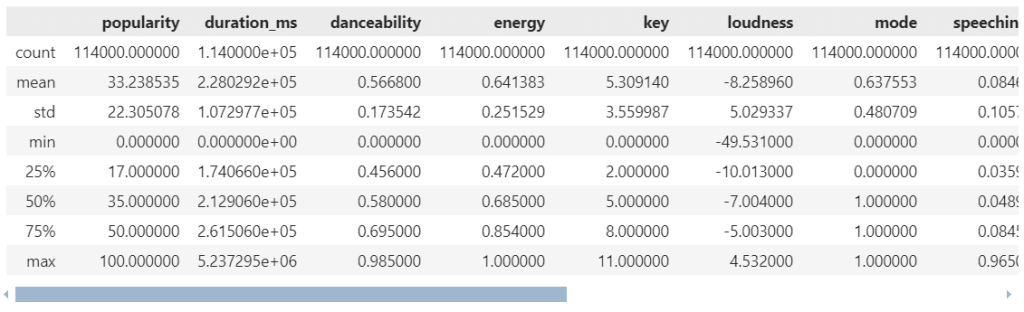
    # Get summary stats
    spotify.describe()
    

    ผลลัพธ์:

    Note:

    โดย default, .describe() จะสรุปข้อมูลเฉพาะ column ที่เป็น numerical variable เท่านั้น

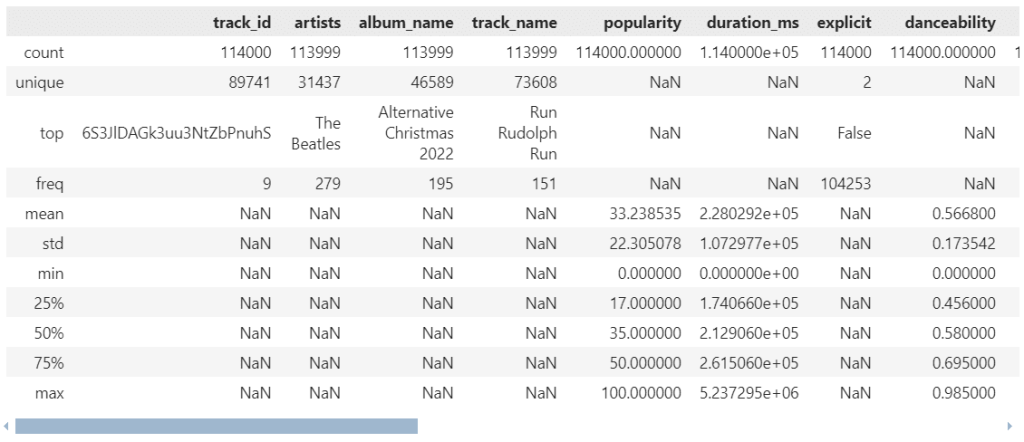
    ถ้าเราต้องการ summary stats ของ categorical variable เราสามารถใช้ argument include="all" ได้:

    # Get summary stats for all variable types
    spotify.describe(include="all")
    

    ผลลัพธ์:

    จะเห็นได้ว่า ตอนนี้เราจะได้ summary stats ของทั้ง numerical (เช่น popularity) และ categorical variables (เช่น artists)

    .

    4️⃣ .shape

    Use case:

    ดูจำนวน rows และ columns ของ dataset

    ตัวอย่าง:

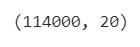
    # See the dimensions of the dataset
    spotify.shape


    ผลลัพธ์:

    • 114000 คือ จำนวน rows
    • 20 คือ จำนวน columns

    🎶 Playlist #2 – Selecting & Filtering

    ในกลุ่มการใช้งานที่ 2 เรามาดูวิธีการเลือกและกรองข้อมูลกัน:

    1. df[condition]
    2. .query()

    .

    1️⃣ df[condition]

    Use case:

    df[condition] เป็น syntax เพื่อกรองข้อมูล

    ตัวอย่าง:

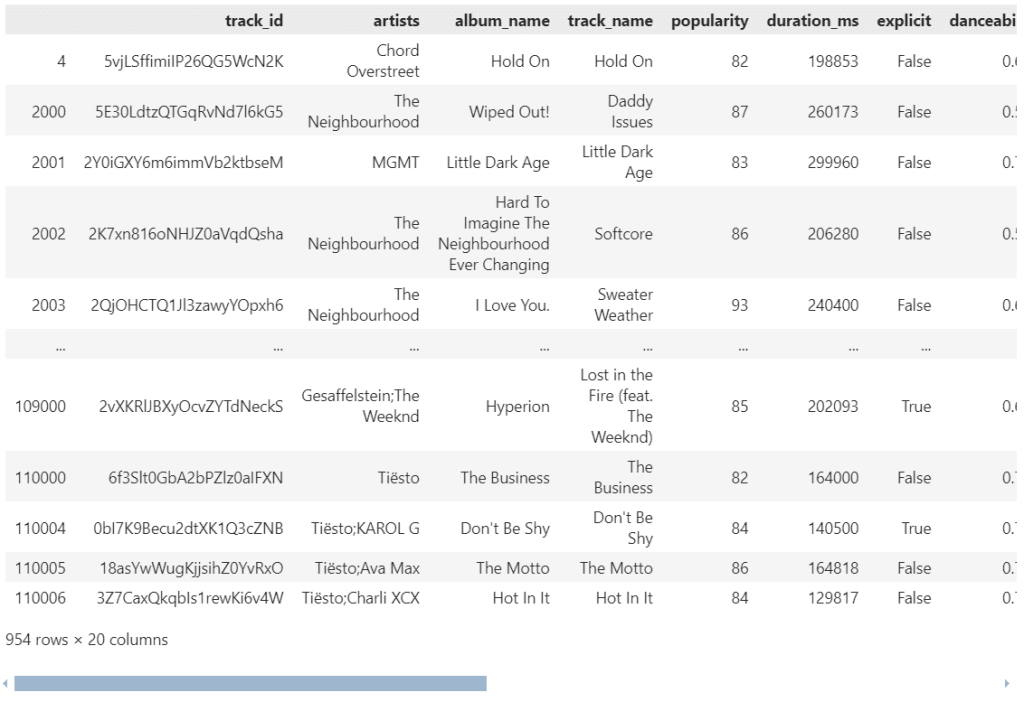
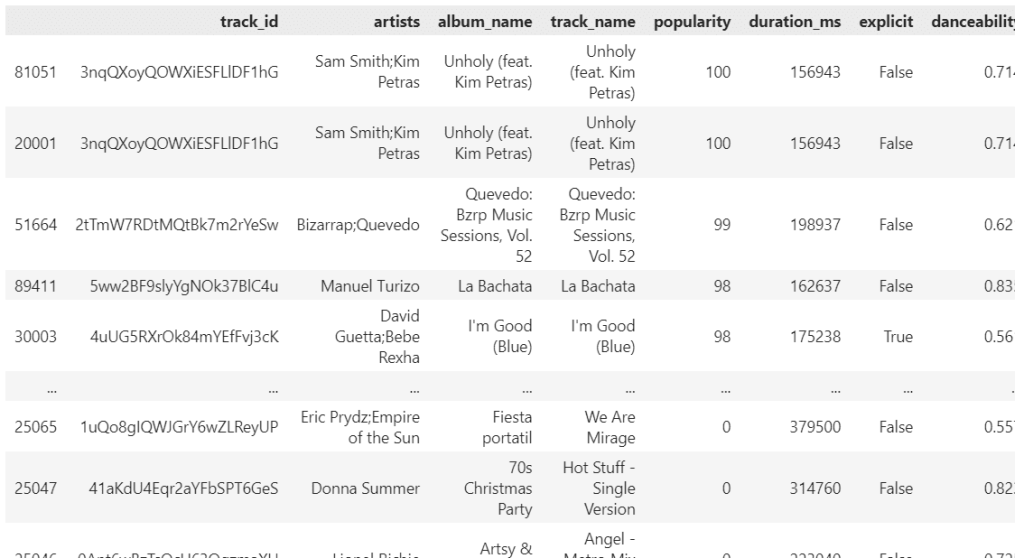
    เราต้องการดูข้อมูลเพลงที่มีคะแนนความนิยม (popularity) สูงกว่า 80:

    # Select records where popularity is greater than 80
    spotify[spotify["popularity"] > 80]
    

    ผลลัพธ์:

    Note:

    ในการกรอง เราสามารถใช้ comparison operators เหล่านี้ช่วยได้:

    Comparison OperatorMeaning
    ==เท่ากับ
    !=ไม่เท่ากับ
    >มากกว่า
    >=มากกว่า/เท่ากับ
    <น้อยกว่า
    <=น้อยกว่า/เท่ากับ

    นอกจากนี้ เราสามารถใช้ Boolean operators เพื่อเพิ่ม conditions ในการกรองข้อมูลได้:

    Boolean OperatorMeaning
    &and
    ``
    !not

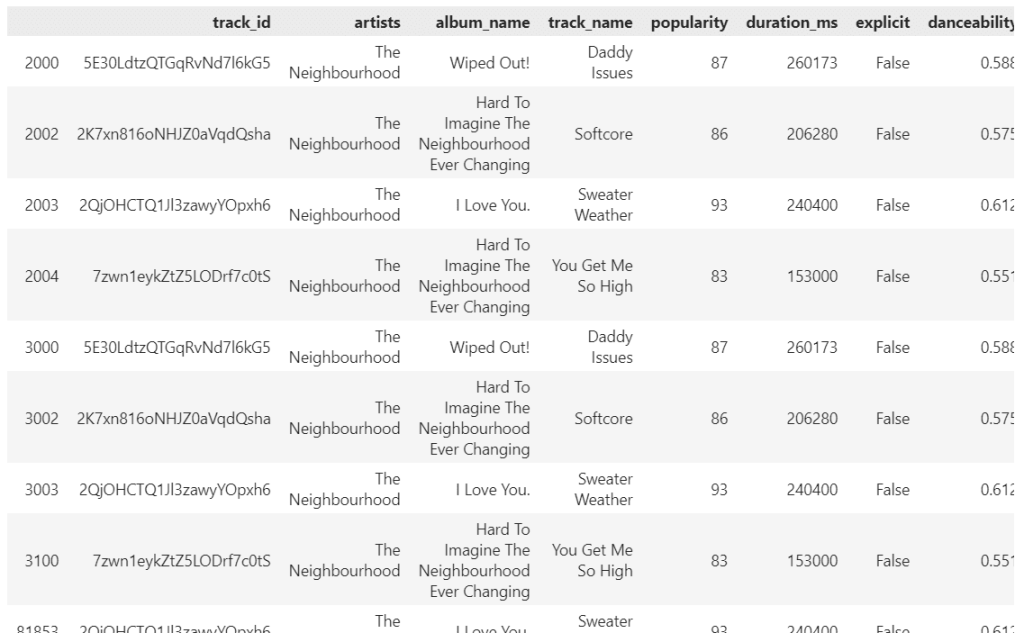
    เช่น ดูข้อมูลเพลงที่มีคะแนนความนิยม (popularity) สูงกว่า 80 จากวง The Neighbourhood (ดูจาก artists):

    # Select records where popularity is greater than 80 from The Neighbourhood
    spotify[(spotify["popularity"] > 80) & (spotify["artists"] == "The Neighbourhood")]
    

    ผลลัพธ์:

    .

    2️⃣ .query()

    Use case:

    .query() ทำหน้าที่คล้ายกับ df[condition] นั่นคือ กรองข้อมูล

    แต่ .query() มีข้อดีอยู่ 2 อย่าง:

    1. ใช้งานง่าย
    2. เหมาะกับการกรองข้อมูล ด้วย conditions ที่ซับซ้อน

    การเขียน input ของ .query() เราจะใช้ใน syntax ของ SQL

    ตัวอย่าง:

    จากตัวอย่างก่อนหน้านี้ที่เราต้องการดูข้อมูลเพลงที่:

    • มีคะแนนความนิยม (popularity) สูงกว่า 80
    • จากวง The Neighbourhood (ดูจาก artists)

    เราสามารถเขียน .query() ได้ดังนี้:

    # Filter with .query()
    spotify.query("popularity > 80 and artists == 'The Neighbourhood'")
    

    ผลลัพธ์:

    Note:

    ถ้าเราเทียบระหว่าง df[condition] และ .query() :

    df[condition].query()
    spotify[(spotify["popularity"] > 80) & (spotify["artists"] == "The Neighbourhood")]spotify.query("popularity > 80 and artists == 'The Neighbourhood'")

    จะเห็นว่า .query():

    • สั้นกว่า
    • ทำความเข้าใจได้ง่ายกว่า

    🎶 Playlist #3 – Sorting

    หลังจากกรองข้อมูล บางครั้งเราอยากจะจัดลำดับข้อมูล เพื่อช่วยในการทำความเข้าใจข้อมูล:

    • .sort_values()

    .

    1️⃣ .sort_values()

    Use case:

    จัดเรียงข้อมูล โดย:

    • default จะเรียงจากน้อยไปมาก (A-Z)
    • ถ้าต้องการเรียงจากมากไปน้อย (Z-A) ให้ใช้ ascending=False

    ตัวอย่าง:

    ต้องการเรียงเพลงตามคะแนนความนิยม (popularity) จากสูงไปต่ำ เพื่อหาเพลงฮิต:

    # Sort tracks by popularity in descending order
    spotify.sort_values(by="popularity", ascending=False)
    

    ผลลัพธ์:


    🎶 Playlist #4 – Slicing

    ในกลุ่มนี้ เราจะมาดู 4 วิธี เพื่อดึง rows และ/หรือ columns ออกจาก dataset กัน:

    1. df[column]
    2. .loc[]
    3. .iloc[]
    4. .filter()

    .

    1️⃣ df[column_name]

    Use case:

    df[column_name] เป็น syntax เพื่อเลือกข้อมูลจาก column ที่ต้องการ โดย:

    • df หมายถึง ชื่อ dataset
    • column_name หมายถึง ชื่อ column ที่เราเลือก

    ตัวอย่าง:

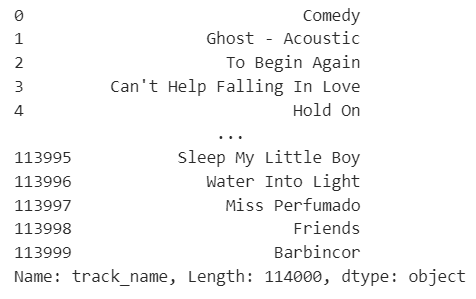
    เลือกดูชื่อเพลง (track_name):

    # Select column track_name
    spotify["track_name"]
    

    ผลลัพธ์:

    Note:

    ถ้าต้องการมากกว่า 1 column เราสามารถใส่ input เป็น list ได้

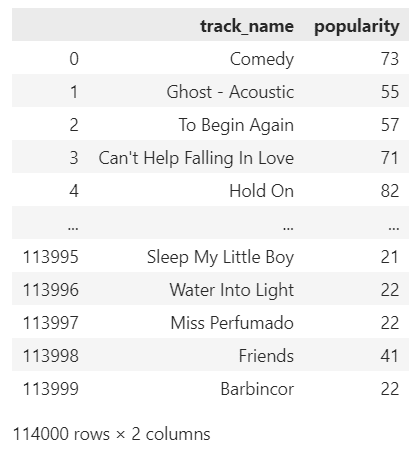
    เช่น เลือกชื่อเพลง (track_name) และคะแนนความนิยม (popularity):

    # Select columns track_name and popularity
    spotify[["track_name", "popularity"]]
    

    ผลลัพธ์:

    .

    2️⃣ .loc[]

    Use case:

    เลือก rows และ/หรือ columns โดยใช้ ชื่อ rows และ columns (label-based)

    Syntax:

    .loc[] มีหลักการใช้งานดังนี้:

    SyntaxFor
    df.loc[r_lab]เลือก 1 row
    df.loc[rx:ry]เลือกมากกว่า 1 rows
    df.loc[[r_list]]เลือกมากกว่า 1 rows
    df.loc[:, c_lab]เลือก 1 column
    df.loc[:, cx:cy]เลือกมากกว่า 1 column
    df.loc[:, [c_list]]เลือกมากกว่า 1 columns
    • r_lab คือ ชื่อ row
    • rx:ry คือ ช่วง rows ที่ต้องการเลือก
    • [r_list] คือ list ของ rows ที่ต้องการเลือก
    • c_lab คือ ชื่อ column ที่ต้องการเลือก
    • cx:cy คือ ช่วง columns ที่ต้องการเลือก
    • [c_list] คือ list ของ columns ที่ต้องการเลือก

    ตัวอย่าง:

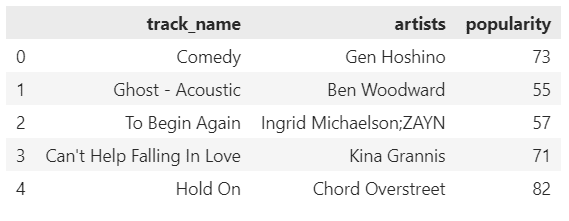
    เลือก 5 rows แรก และแสดงเฉพาะ:

    • ชื่อเพลง (track_name)
    • ชื่อศิลปิน (artists)
    • คะแนนความนิยม (popularity)
    # Select first 5 rows from track_name, artists, popularity
    spotify.loc[0:4, ["track_name", "artists", "popularity"]]
    

    ผลลัพธ์:

    .

    3️⃣ .iloc[]

    Use case:

    เลือก rows และ/หรือ columns โดยใช้ ตำแหน่ง rows และ columns (position-based)

    Syntax:

    .iloc[] มีวิธีการใช้งาน คล้ายกับ .loc[] ดังนี้:

    SyntaxFor
    df.iloc[r_index]เลือก 1 row
    df.iloc[rx:ry]เลือกมากกว่า 1 rows
    df.iloc[[r_list]]เลือกมากกว่า 1 rows
    df.iloc[:, c_index]เลือก 1 column
    df.iloc[:, cx:cy]เลือกมากกว่า 1 column
    df.iloc[:, [c_list]]เลือกมากกว่า 1 columns
    • r_index คือ ตำแหน่ง row
    • rx:ry คือ ช่วง rows ที่ต้องการเลือก
    • [r_list] คือ list ของ rows ที่ต้องการเลือก
    • c_index คือ ตำแหน่ง column ที่ต้องการเลือก
    • cx:cy คือ ช่วง columns ที่ต้องการเลือก
    • [c_list] คือ list ของ columns ที่ต้องการเลือก

    ความแตกต่างระหว่าง .loc[] และ .iloc[] คือ สิ่งที่ใช้ในการเลือก s และ columns:

    • .loc[] ใช้ ชื่อ (label)
    • .iloc[] ใช้ ตำแหน่ง (position)

    ตัวอย่าง:

    เลือก 5 rows แรก และแสดงเฉพาะ:

    • ชื่อเพลง (track_name)
    • ชื่อศิลปิน (artist_name)
    • คะแนนความนิยม (popularity)
    # Select first 5 rows from track_name, artists, popularity
    spotify.iloc[0:5, [0, 1, 5]]
    

    ผลลัพธ์:

    .

    4️⃣ .filter()

    Use case:

    .filter() ทำหน้าที่คล้ายกับ df[condition] แต่ทรงพลังกว่า เพราะเลือกกรองข้อมูลได้ทั้ง rows และ columns

    Syntax:

    df.filter(condition, axis)
    
    • df คือ ชื่อ dataset
    • condition คือ เงื่อนไขในการเลือกข้อมูล ซึ่งเรามี 3 parametres ให้เลือกใช้:
      • items กรองตาม labels ของ rows หรือ columns
      • like กรองตาม คำค้นหา
      • reg กรองตาม regular expression
    • axis ระบุว่า ต้องการเลือก rows (0) หรือ columns (1)

    ตัวอย่าง:

    เลือก rows ที่เลข 123:

    # Select rows with "123"
    spotify.filter(like="123", axis=0)
    

    ผลลัพธ์:

    หรือ เลือกข้อมูลจาก columns:

    • ชื่อเพลง (track_name)
    • ชื่อศิลปิน (artist_name)
    • คะแนนความนิยม (popularity)
    # Select first 5 rows from track_name, artists, popularity
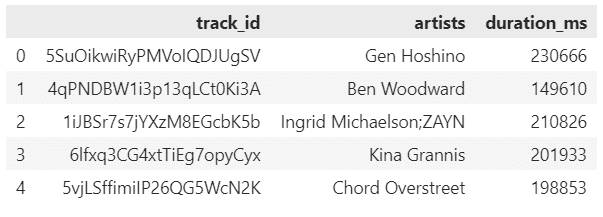
    spotify.filter(items=["track_name", "artists", "popularity"])
    

    ผลลัพธ์:


    🎶 Playlist #5 – Aggregating

    สุดท้าย เรามาดูวิธีการสรุปข้อมูลกัน:

    1. Aggregation functions
    2. .agg()
    3. .groupby()

    .

    1️⃣ Aggregation Functions

    ในกรณีที่เราต้องการ คำนวณค่าทางสถิติ pandas มี functions ให้เลือกใช้งานมากมาย เช่น:

    FunctionMeaning
    .sum()หาผลรวม
    .mean()หาค่าเฉลี่ย
    .median()หาค่ากลาง
    .mode()หาค่าที่ซ้ำมากที่สุด
    .min()หาค่าน้อยที่สุด
    .max()หาค่ามากที่สุด
    .std()หา standard deviation (SD)
    .cumsum()หาผลรวมสะสม
    .value_counts()นับจำนวนข้อมูล
    .nunique()นับจำนวนข้อมูลที่ไม่ซ้ำ

    ตัวอย่าง:

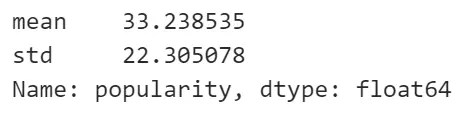
    ต้องการหาค่าเฉลี่ยของคะแนนความนิยม (popularity):

    # Calculate the mean of popularity
    spotify["popularity"].mean()
    

    ผลลัพธ์:

    หรือหา SD ของคะแนนความนิยม (popularity):

    # Calculate the SD of popularity
    spotify["popularity"].std()


    ผลลัพธ์:

    .

    2️⃣ .agg()

    Use case:

    ในบางครั้ง เราต้องการคำนวณหลายค่าทางสถิติพร้อมกัน เช่น ตัวอย่างก่อนหน้านี้ที่เราต้องการหา mean และ SD

    แทนที่เราจะเขียน code เพื่อแสดงผลแยกกัน เช่น:

    # Calculate mean
    spotify["popularity"].mean()
    
    # Calculate SD
    spotify["popularity"].std()
    

    เราสามารถใช้ agg() เพื่อช่วยลดเวลาได้

    ตัวอย่าง:

    หาค่าเฉลี่ยและ SD ของคะแนนความนิยม (popularity):

    # Calculate mean and SD of popularity
    spotify["popularity"].agg(["mean", "std"])
    

    ผลลัพธ์:

    Note:

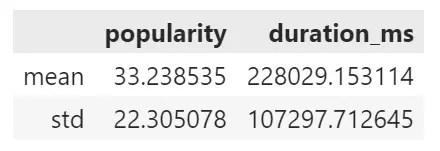
    เราสามารถใช้ .agg() เพื่อคำนวณค่าทางสถิติกับหลาย column พร้อมกันได้ เช่น หาค่า:

    • mean
    • std

    ให้กับ:

    • คะแนนความนิยม
    • ความยาวของเพลง
    # Calculate mean and SD for popularity and duration_ms
    spotify[["popularity", "duration_ms"]].agg({
    		"popularity": ["mean", "std"],
    		"duration_ms": ["mean", "std"]
    		})
    

    ผลลัพธ์:

    .

    3️⃣ .groupby()

    Use case:

    บางครั้ง เราต้องการคำนวณค่าทางสถิติตามกลุ่มข้อมูล

    เราสามารถใช้ .groupby() เพื่อจับกลุ่มข้อมูล ก่อนจะคำนวณค่าทางสถิติได้

    ตัวอย่าง:

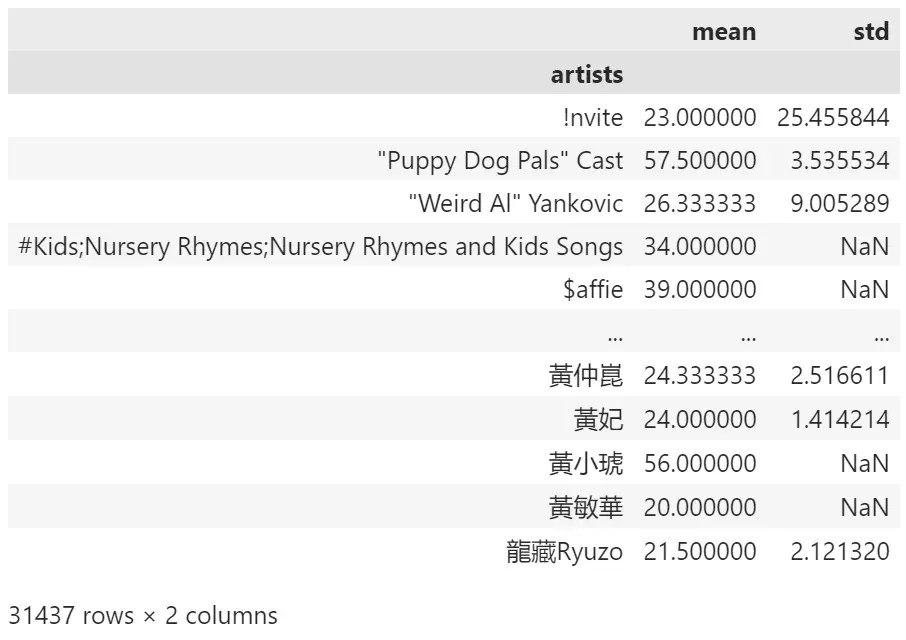
    ต้องการหา ค่าเฉลี่ยและ SD ของคะแนนความนิยม (popularity) ของศิลปินแต่ละคน:

    # Group by artists and calculate mean of popularity 
    spotify.groupby("artists")["popularity"].agg(["mean", "std"])
    

    ผลลัพธ์:


    ⏭️ Next Song

    .

    💻 Example Code

    สำหรับคนที่ลองรัน code ด้วยตัวเอง สามารถโหลด code ตัวอย่างได้ที่ GitHub

    .

    📚 Further Reading

    สำหรับคนที่สนใจเรียนรู้เพิ่มเติมเกี่ยวกับ pandas สามารถศึกษาต่อได้ตาม links ด้านล่าง: